Visit us at 3341 W Lincoln Hwy, Parkesburg!
White Pine Structures
133+ Sold & Shipped from Our LotYours Ready in 1–2 weeksServing PA · NJ · MD · DE
7 Steps Guide
¾″ Stone Key

Site Preparation Guide

Get your site right. Everything else follows.

A well-prepared foundation is the single best thing you can do for your shed, garage, or barn. It protects against moisture, settling, and floor rot—and it's the #1 factor in how long your structure lasts. This guide walks you through everything.

Not sure where to start? We arrange professional stone and concrete pad installation through our trusted partners. Call us and we'll handle it.

Foundation Options

Three ways to build your foundation.

Most of our customers choose a stone pad—it's the best balance of cost, drainage, and durability for sheds and mid-size garages. Here's how they compare.
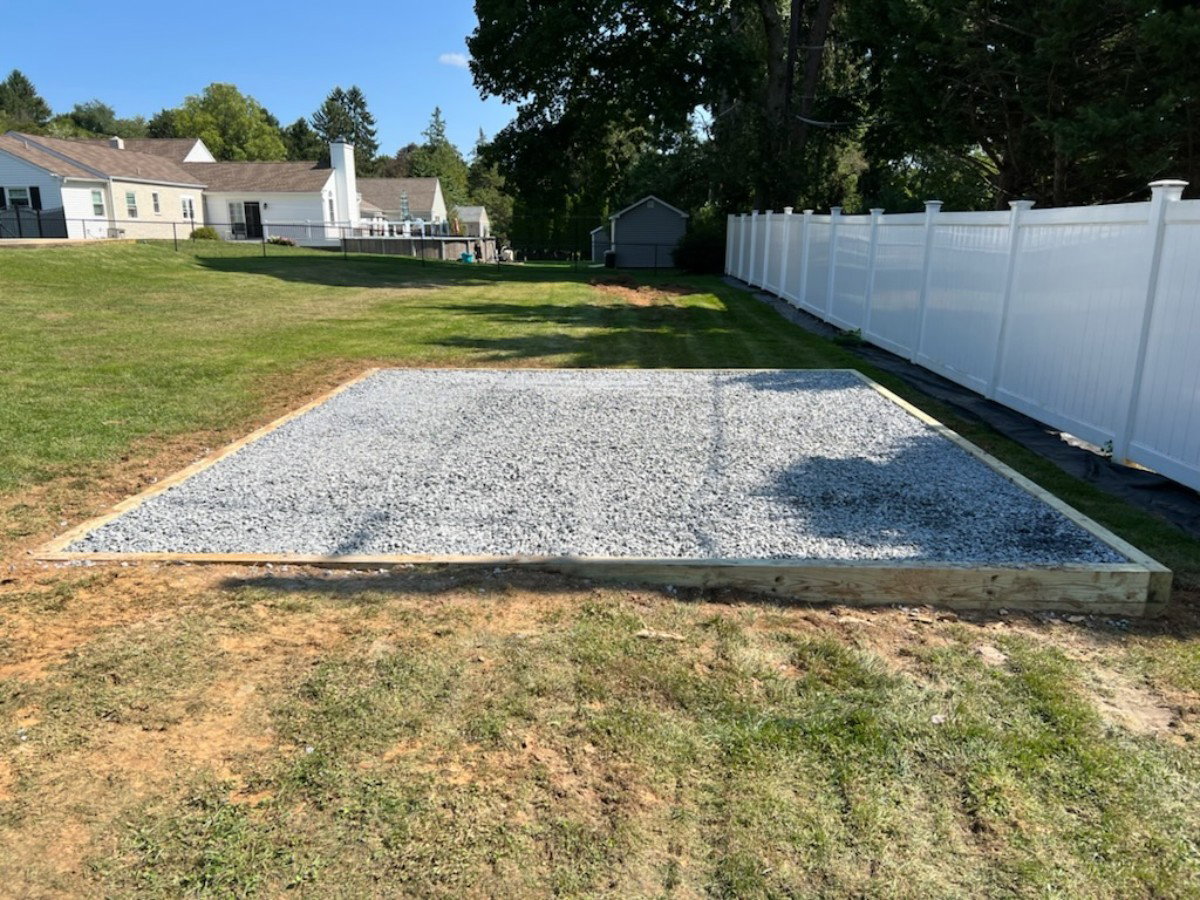
Professional stone pad foundation with treated lumber perimeter and crushed stoneMost Popular

Stone Pad Foundation

Our most popular foundation option using ¾″ crushed stone for excellent drainage and durability. Includes ground leveling, pressure-treated 4×6 perimeter with rebar stakes, and weed barrier.

  • Excellent drainage properties
  • More cost-effective option
  • Faster installation process
  • Perfect for most shed applications

Best for: Storage sheds, workshops, and most residential applications
Starting at $945 for 8×8View pricing
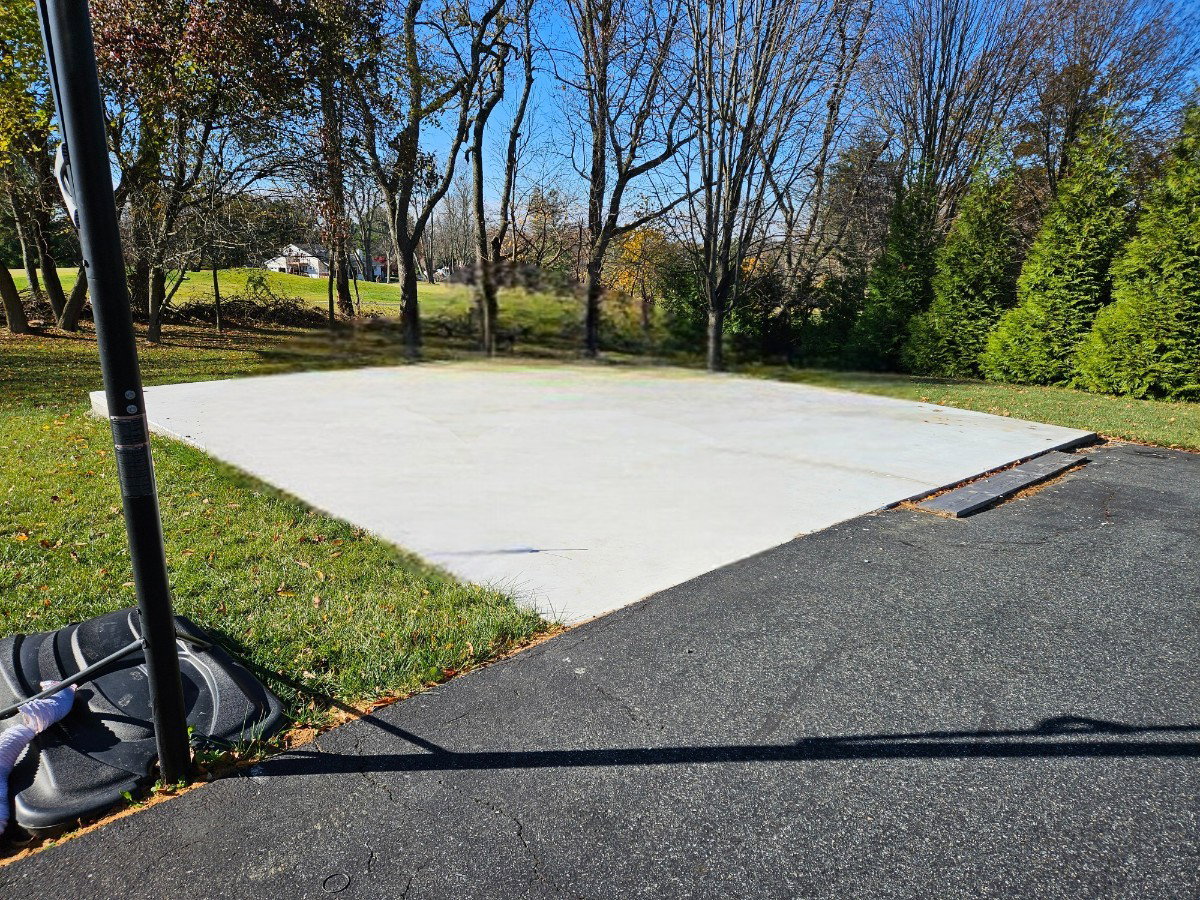
Professional concrete pad foundation for garage or workshopPremium

Concrete Pad Foundation

Premium concrete foundation for maximum durability and the most stable base for your structure. Available as monolithic (one-pour) or block foundation with 36″ deep frostwall.

  • Maximum stability and durability
  • Perfect for heavy-duty applications
  • Ideal for garages and workshops
  • Long-term investment value

Best for: Garages, large workshops, and structures requiring maximum stability

Starting at $4,230 for 14×14View pricing

Concrete Pier Foundation

Specialty

Individual concrete piers for structures that don’t require a full foundation. Professional excavation, high-strength concrete, and proper depth for local frost requirements.

  • Professional excavation and placement
  • High-strength concrete construction
  • Proper frost depth compliance
  • Multiple sizes available (12″–36″)

Best for: Certain shed and specialty structure applications where full foundations aren’t needed

Starting at $200 per pierView pricing

Step by Step

How to build a stone pad (the right way).

This is the foundation we recommend for 90% of our structures. Most homeowners can do this in a weekend with basic tools. If you'd rather not, we can arrange professional installation.

1

Call 811 & Check Zoning

Before you touch a shovel, call 811 (free) to mark underground utilities. Then check your township’s zoning office for setback requirements, permit needs, and maximum structure sizes. We can supply spec drawings for your inspector at no charge.

2

Choose Your Spot

Pick the highest, best-drained area of your yard. Avoid low spots where water pools, areas under tree canopy (falling branches + root heave), and spots within setback zones. Leave 2–3 feet of clearance around all sides for maintenance access.

3

Measure & Stake

Your pad should be 1 foot larger than the shed on ALL sides. A 10×12 shed needs a 12×14 pad. Stake the four corners, run string lines, and check diagonals — when both diagonals are equal, the pad is square.

4

Excavate & Level

Strip 4–6 inches of topsoil within the staked area (save it for landscaping). The exposed soil must be level within 2 inches across the entire footprint. Use a 4-foot level on a straight board. Add a slight grade sloping AWAY from where the door will face.

5

Build the Timber Frame

Use pressure-treated 4×4 or 4×6 lumber rated for ground contact. Screw corners with 4″ exterior screws. Drive ½″ rebar stakes through the timbers every 6 feet to anchor the frame. Stack additional courses on sloped sites to make the frame level.

6

Lay Weed Barrier

Staple landscape fabric or stabilization geotextile across the interior and up the inside walls of the frame. This prevents weed growth and keeps gravel from mixing into the soil below — a key step people skip that causes settling later.

7

Fill with ¾″ Clean Crushed Stone

Fill to the top of the frame with ¾″ clean crushed stone (NOT pea gravel, NOT river stone — those don’t compact). Spread evenly with a garden rake, then compact with a plate compactor or hand tamper. The final surface should be level and firm enough to walk on without sinking.

Quick Reference

Pad size & stone quantity by structure size.

The pad should be 1 foot larger than the structure on ALL sides. Stone quantities assume \u00BE\u2033 crushed stone at the recommended depth. Order 10% extra to account for compaction.

Structure SizePad SizeStone NeededDepth
8×1010×12~2.2 cubic yards4″
10×1212×14~3.1 cubic yards4–5″
10×1612×18~4.0 cubic yards4–5″
12×2014×22~5.7 cubic yards5–6″
12×2414×26~6.7 cubic yards5–6″
14×2816×30~8.9 cubic yards6″
14×4016×42~12.4 cubic yards6″

Stone quantities are estimates. 1 cubic yard of crushed stone weighs approximately 1.4 tons. Your local landscape supplier can confirm exact pricing and delivery.

Common Mistakes

What NOT to do.

We've delivered 5,000+ structures. These are the mistakes we see most often—and the ones that cause the most damage.

Don’t skip the gravel pad and set directly on bare dirt

Dirt holds moisture against the floor joists, promoting rot even on pressure-treated lumber. Within 2–3 years you’ll see sagging, mold, and floor failure.

Don’t use pea gravel or river stone

Smooth, round stones don’t interlock when compacted — your pad will shift and settle unevenly. Use ¾″ clean crushed stone (angular, irregular shapes that lock together).

Don’t build in a low spot where water pools

Even the best gravel pad can’t overcome persistent standing water. If your chosen spot collects water after rain, either regrade the surrounding yard or pick a higher location.

Don’t skip the weed barrier fabric

Without fabric, soil migrates up into the gravel over time, clogging drainage and creating soft spots. It’s a $30 fix that prevents a $3,000 problem.

Don’t place the pad under overhanging trees

Falling branches damage roofing and siding. Tree roots heave the ground and displace your pad frame. Sap and leaf litter accelerate surface wear on shingles.

Don’t forget to check setbacks and utilities

Most townships require 5–10 feet from property lines for sheds, 10–20 feet for garages. Underground utilities can be just 18″ deep. One phone call to 811 (free) avoids a very expensive mistake.

Pro Tips

Tips from 5,000+ deliveries.

Compact the base soil BEFORE laying fabric — soft soil settles even with gravel on top.

Slope the finished pad surface ¼″ per foot away from the door side so rain doesn’t flow into the shed.

Add an extra course of pressure-treated timber on the downhill side if your yard slopes. Don’t dig the uphill side below grade — water will pool against the frame.

Order 10% more stone than your math says — compaction reduces volume, and you’ll want extra to top off later.

If you’re building on a hill with more than 6″ of drop across the pad, call us first. We may recommend pier blocks or a retaining wall instead of stacking timbers.

Keep at least 2–3 feet of clearance around all sides of the structure for airflow, maintenance, and our delivery equipment.

Request a Site Prep Quote

Tell us about your site and we’ll send you pricing within 24 hours.

Skip the Shovel?

We arrange professional site prep.

Don't want to DIY? We coordinate professional stone and concrete pad installation through our trusted local partners. One call, and your site is ready before your structure arrives.

Family Owned

Since 1988

38+ Years

Quality Service

4.8/5 Stars

65+ Reviews

Serving 4 States

PA, NJ, DE, MD

PA Licensed

Specialty Builder · #PA024436